Custom Full Renovation Tips
Transform Your Space: Key Information On Residential Improvement Projects for Each House Owner
Homeowners often seek methods to enhance their homes through home improvement projects. Such undertakings may vary starting with kitchen improvements to complete home renovations. Being aware of the possibilities is essential for making sound choices. Moreover, one must consider real-world factors such as setting a budget and selecting the professional contractor. As homeowners commence on this journey, they could face unforeseen difficulties. Achieving a successful makeover requires thorough design and implementation. What steps should be taken next?
Knowing the Various Categories of Residential Renovation Work
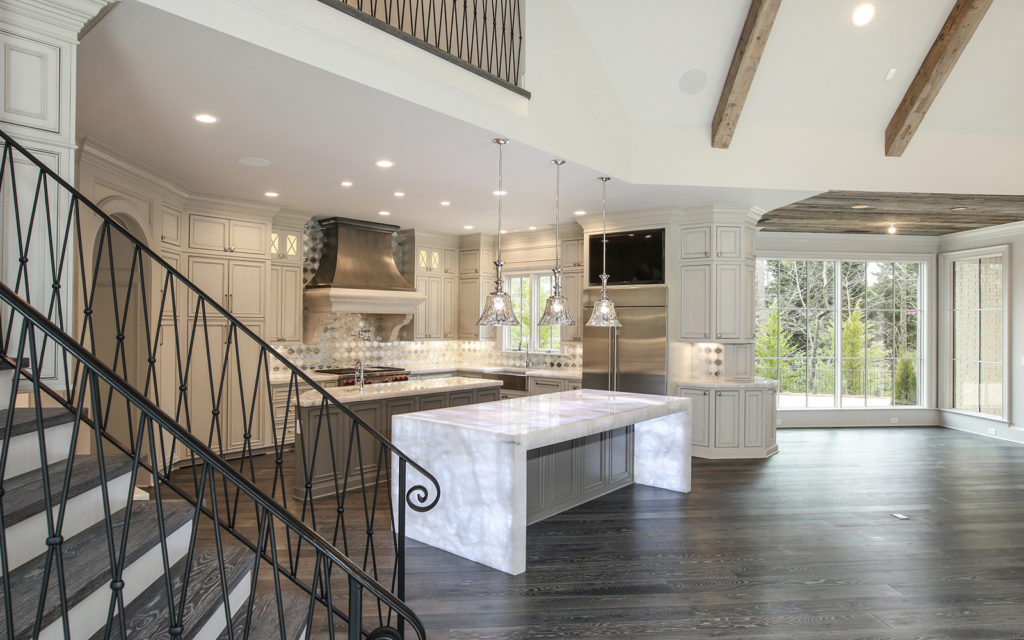
When homeowners consider renovating their residences, they typically find a variety of remodeling services designed for specific preferences and preferences. These options can be widely classified into several types, each focusing on particular areas of home improvement. Kitchen remodeling focuses on modernizing fixtures, storage units, and layouts to improve usability and visual appeal. Bathroom remodeling typically involves upgrading fixtures, tiling, and storage solutions for greater ease and design.
Full-house renovation covers major alterations across the property, sometimes requiring major structural work to maximize the area and movement. Exterior remodeling services, conversely, concentrate on enhancing the property's street view, handling the exterior walls, the covering, and the garden design. Furthermore, specific options including converting the cellar and loft remodeling enable property owners to utilize fully underutilized spaces. Every renovation category provides distinct advantages, enabling homeowners to choose options that align with their vision for their home life. Knowing these variations is essential when choosing wisely during the renovation process.
Creating an Attainable Financial Limit for Your Remodeling Project
How do property owners make certain their home upgrades are kept economically sound? Creating a sensible budget is crucial. Property owners must start by determining their fiscal limits, including savings and potential financing options. This initial step helps establish the amount that can be set aside for the renovation without compromising other financial responsibilities.
Next, homeowners must investigate the expenses linked to their planned updates, taking into account materials, labor, and unexpected costs that frequently occur. Creating a detailed list of priorities aids in distinguishing essentials from desirable features, allowing for adjustments if the budget tightens.
It is prudent to set aside an emergency fund, generally 10-20% of the entire budget, to account for surprise expenditures. Periodically examining and tweaking the budget throughout the remodeling process can also help maintain financial control. In the end, a carefully structured budget not only guarantees project viability and makes the whole updating experience better for homeowners.
Choosing the Right Contractor to Suit Your Project.
Finding a suitable builder can significantly affect how well a renovation turns out. Homeowners should begin by conducting thorough research, looking for suggestions from acquaintances, relatives, or web feedback. It is essential to confirm documentation, like licenses, insurance, and bonds, to confirm legitimacy.
After suitable professionals have been found, homeowners should request detailed estimates and timelines, allowing for informed comparisons. Discussions reveal their approach to dialogue and their level of expertise, which are crucial for working together effectively.
In addition, looking at completed jobs through galleries or recommendations can reveal a contractor's quality of workmanship. Property owners must also ask about guarantees or assurances, reflecting the contractor's confidence in their work.
Ultimately, selecting a contractor who aligns with the homeowner’s vision, budget, and timeline creates a better renovation journey, guaranteeing that the project meets expectations and transforms the living space effectively.
Planning and Designing Your Perfect Area.
As those renovating imagine their desired rooms, meticulous organization and deliberate design are crucial elements of a triumphant renovation effort. The first step involves evaluating current needs and future aspirations, to gain a complete comprehension of the area's utility. Homeowners should consider functionality, aesthetics, and their individual taste, to guarantee the design showcases their unique preferences.
Following this, it is critical to create a detailed budget. This budget should cover materials, workforce costs, and contingency funds. Hiring professional designers can give meaningful advice, helping to optimize the space and respecting budgetary constraints.
Including features such as natural light, open layouts, and eco-friendly supplies can elevate the living environment. In conclusion, visualizing the project through mock-ups or 3D visualizations can help perfect concepts prior to construction. By approaching the planning and design phase with intention, homeowners can build a comfortable, effective space suited to their way of life.
Dealing with Permits and Building Codes in House Renovation
Grasping the intricacies of permits and rules can be challenging for homeowners embarking on a renovation. Every local government sets particular guidelines that govern what can be done during renovations, often influenced by zoning laws, building codes, and safety standards. Owners need to acquaint themselves with local regulations to avoid costly fines or setbacks in the timeline.
Typically, obtaining permits is crucial for significant alterations, such as structural changes or electrical work. This process usually necessitates providing designs for examination and might demand site visits at various stages.
Working with a skilled professional can simplify this process, as they are often familiar with local codes and can assist with paperwork. It is important for homeowners to communicate regularly with the city's regulatory body to verify legality throughout the project. By understanding and maneuvering through these requirements, homeowners can fulfill their improvement aims while ensuring safety and legality in their renovations.
Frequently Asked Questions
How Much Time is Needed for a Typical Remodeling Job?

A standard home renovation generally requires between three to six months, contingent upon the extent of the project, size of the home, and material lead times. Intricate jobs could demand more time for completion.
What are some typical errors that people make when renovating?
Frequent errors during remodeling often involve failing to budget properly, not securing the required permissions, missing scheduled deadlines, poor communication with the construction team, and ignoring long-term functionality. Understanding these dangers often results in a smoother, more successful remodeling experience.
What's the best way to select the best supplies for the job?
Picking the best materials involves evaluating durability, visual appeal, and financial limits. Looking into different products, consulting professionals, and considering maintenance needs are vital steps to make smart choices, to guarantee the project fits with personal and functional requirements.
Is it possible to stay in my house throughout the construction phase?
It is possible to remain in the house while work is ongoing, but it may lead to inconvenience. Thorough preparation, effective coordination with the renovation team, and creating defined spaces for essential activities will reduce the inconvenience while the work is underway.
What warranties should I expect by my builders?
Clients typically receive warranties complete info for the labor performed, materials, and key building elements, typically ranging from one to ten years. It is essential to examine specific terms and conditions alongside your builders to clearly grasp what is covered and what is excluded.